
 Suche Medizinische Publikationen
 Suche Abbildungen und Grafiken
 Medizinprodukte - Labortechnik
 Antidotarium (Stand 2012)
 Phytokodex (Stand 2012)
 Fachbücher
 Patientenliteratur
Dia-Präsentation von Merck Gesellschaft mbH DETAIL (Diabetics Exposed to Telmisartan and Enalapril)-Studie (41 Abbildungen) Übersicht Gesamtpräsentation zum Download (rechte Maustaste und "Ziel speichern unter..." klicken)
| ||||||||||||||||||
Abbildung 8: Diabetische Nephropathie - AT1-Rezeptorblocker 2001 wurden drei Großstudien zu AT1-Rezeptorblockern bei Patienten mit Typ-II-Diabetes und Nephropathie publiziert: – IRMA2 (Irbesartan in patients with type 2 diabetes and microlbuminuria study) [1] – IDNT (Irbesartan diabetic nephropathy trial) [2] – RENAAL (Reduction of endpoints in NIDDM with the angiotensin II antagonist losartan study) [3] In diesen Studien konnte gezeigt werden, dass AT1-Rezeptorblocker bei diesen Patienten dem Fortschreiten von Albuminurie, dem Ansteigen der Serum-Kreatinin-Werte sowie dem Entstehen einer terminalen Niereninsuffizienz entgegenwirken. Laut internationalen Richtlinien zur Behandlung von Hypertonie sind AT1-Rezeptorblocker in bestimmten Situationen (z. B. Linksherzhypertrophie und Herzversagen) unbedingt angezeigt [4, 5]. Bei Typ-II-Diabetikern mit Nephropathie oder Hypertonie werden sowohl ACE-Hemmer als auch AT1-Rezeptorblocker als erste Wahl empfohlen [6–9]. 1. Brenner BM, et al. Effects of losartan on renal and cardiovascular outcomes in patients with type 2 diabetes and nephropathy. N Engl J Med 2001; 345: 861–869. 2. Lewis EJ, et al. Renoprotective effect of the angiotensin-receptor antagonist irbesartan in patients with nephropathy due to type 2 diabetes. N Engl J Med 2001; 345: 851–860. 3. Parving HH, et al. The effect of irbesartan on the development of diabetic nephropathy in patients with type 2 diabetes. N Engl J Med 2001; 345: 870–878. 4. 2003 European Society of Hypertension – European Society of Cardiology guidelines for the management of arterial hypertension. J Hypertens 2003; 21:1011–1053. 5. Chobanian AV, et al. The Seventh Report of the Joint National Committee on Prevention, Detection, Evaluation, and Treatment of High Blood Pressure: The JNC 7 Report. JAMA 2003; 289: 2560–2572. 6. Johnson DW. Evidence-based guide to slowing the progression of early renal insufficiency. Intern Med J 2004; 34:50–57. 7. American Diabetes Association. Hypertension management in adults with diabetes. Diabetes Care 2004; 27(Suppl 1): S65–S67. 8. National Kidney Foundation. K/DOQI clinical practice guidelines for chronic kidney disease: evaluation, classification, and stratification. Am J Kidney Dis 2002; 39 (2 Suppl 1): S1-266. 9. National Kidney Foundation. K/DOQI clinical practice guidelines on hypertension and antihypertensive agents in chronic kidney disease. Am J Kidney Dis 2004; 43 (5 Suppl 1): S1–S268. |


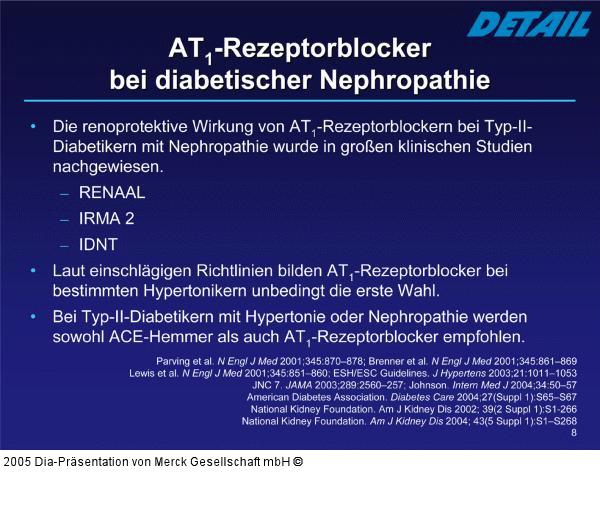
Abbildung 8: Diabetische Nephropathie - AT1-Rezeptorblocker
2001 wurden drei Großstudien zu AT1-Rezeptorblockern bei Patienten mit Typ-II-Diabetes und Nephropathie publiziert: – IRMA2 (Irbesartan in patients with type 2 diabetes and microlbuminuria study) [1] – IDNT (Irbesartan diabetic nephropathy trial) [2] – RENAAL (Reduction of endpoints in NIDDM with the angiotensin II antagonist losartan study) [3] In diesen Studien konnte gezeigt werden, dass AT1-Rezeptorblocker bei diesen Patienten dem Fortschreiten von Albuminurie, dem Ansteigen der Serum-Kreatinin-Werte sowie dem Entstehen einer terminalen Niereninsuffizienz entgegenwirken. Laut internationalen Richtlinien zur Behandlung von Hypertonie sind AT1-Rezeptorblocker in bestimmten Situationen (z. B. Linksherzhypertrophie und Herzversagen) unbedingt angezeigt [4, 5]. Bei Typ-II-Diabetikern mit Nephropathie oder Hypertonie werden sowohl ACE-Hemmer als auch AT1-Rezeptorblocker als erste Wahl empfohlen [6–9]. 1. Brenner BM, et al. Effects of losartan on renal and cardiovascular outcomes in patients with type 2 diabetes and nephropathy. N Engl J Med 2001; 345: 861–869. 2. Lewis EJ, et al. Renoprotective effect of the angiotensin-receptor antagonist irbesartan in patients with nephropathy due to type 2 diabetes. N Engl J Med 2001; 345: 851–860. 3. Parving HH, et al. The effect of irbesartan on the development of diabetic nephropathy in patients with type 2 diabetes. N Engl J Med 2001; 345: 870–878. 4. 2003 European Society of Hypertension – European Society of Cardiology guidelines for the management of arterial hypertension. J Hypertens 2003; 21:1011–1053. 5. Chobanian AV, et al. The Seventh Report of the Joint National Committee on Prevention, Detection, Evaluation, and Treatment of High Blood Pressure: The JNC 7 Report. JAMA 2003; 289: 2560–2572. 6. Johnson DW. Evidence-based guide to slowing the progression of early renal insufficiency. Intern Med J 2004; 34:50–57. 7. American Diabetes Association. Hypertension management in adults with diabetes. Diabetes Care 2004; 27(Suppl 1): S65–S67. 8. National Kidney Foundation. K/DOQI clinical practice guidelines for chronic kidney disease: evaluation, classification, and stratification. Am J Kidney Dis 2002; 39 (2 Suppl 1): S1-266. 9. National Kidney Foundation. K/DOQI clinical practice guidelines on hypertension and antihypertensive agents in chronic kidney disease. Am J Kidney Dis 2004; 43 (5 Suppl 1): S1–S268. |